


Why Optimizing Women’s Hormones Means Working With the Seasons, Not Against Them
Posted In
September 23, 2026
Posted On
There’s a period between a young woman’s diagnosis and a doctor walking out of the room that most patients never get to explain. For Brittany Estrada, that period lasted about ten minutes. She left with a prescription for an SSRI, a promise it would help her lose weight, and no other options on the table. What she decided to do next set her on a fourteen-year path toward a very different way of thinking about women’s hormone health.
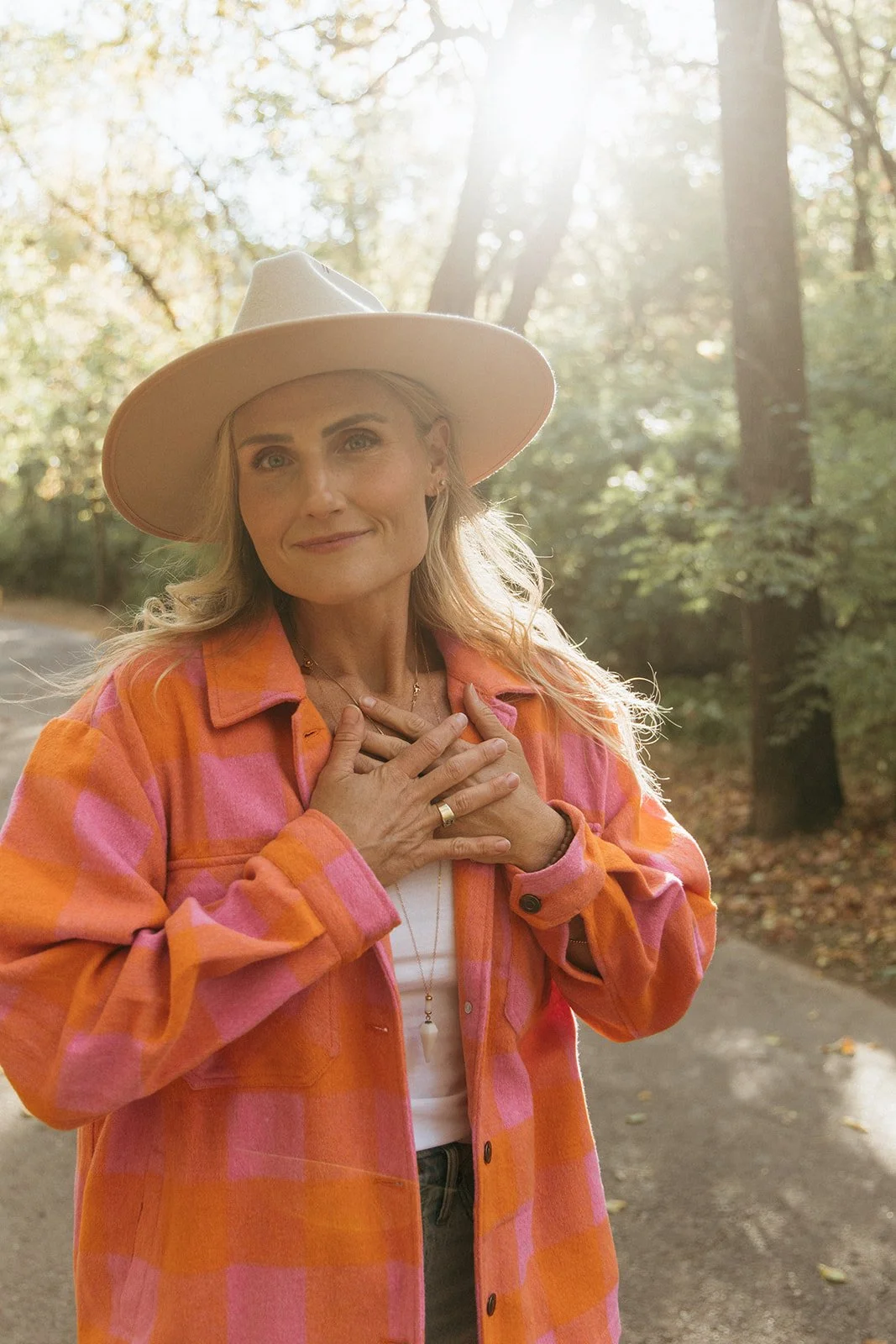
On this episode of the Practitioners Rise Podcast, host Hailey Krajewski talks with Brittany Estrada, board-certified women’s health nurse practitioner and founder of Vssel Care, about why women’s hormones are built to shift like the seasons, and why a plan that works for one stage of life rarely works for the next.
Listen Now! Apple | Spotify | YouTube
What Happens When an Eating Disorder Diagnosis Gets Reduced to a Prescription?
For Brittany Estrada, it meant one appointment, a diagnosis of both depression and bulimia, and a prescription for Prozac with almost nothing else offered.
Brittany was a D1 water polo player and nursing student when she recognized her own symptoms during a psychiatric nursing class. She called her mother, who struggled to reconcile the idea that her “very high-achieving daughter” could be dealing with an eating disorder, and eventually got an appointment through Kaiser, where she saw whichever provider was available. She remembers laying out everything (the stress, the bingeing and purging, the anxiety) to a doctor who seemed stunned and unsure how to respond. The doctor told her there weren’t great eating disorder resources for someone her age, started her on Prozac, and mentioned, in the same breath, that it should also help her lose weight. Then she said she’d see Brittany again in eight weeks to adjust the dose, and walked out.
Brittany stayed on the medication for about six weeks. It did flatten the emotional extremes she’d been struggling with, but not in a way that felt like healing.
“I was having kind of just this flatline effect. I didn’t have highs, I didn’t have lows. Everything was just very blah. And I just kind of realized, I want to be able to feel the lows so that I can also feel the highs.”
That instinct that medication alone wasn’t going to get her the outcome she actually wanted is what sent her looking for something else.
What Helped Brittany Estrada Heal Without Relying on Medication Alone?
Brittany says the biggest shift came from reconnecting with nature, cutting back on alcohol, and doing deep mindset work over one summer home from college.
She came home after her junior year of water polo and spent the summer, in her words, “going inward.” She read The Power of Positive Thinking, tried yoga and meditation (neither one landed for her at the time), and started paying attention to how much the college drinking culture and her indoor training environment were affecting her. She’d grown up training outdoors in San Diego; in Indiana, she trained in an indoor pool with no natural light, which she now believes was a real contributor to her depression.
“Can you connect to nature? Can you really start to align your circadian rhythm? Can you get out in the sunshine? Can you shut off the screens that are hijacking your nervous system?”
She’s careful to note this isn’t an argument against medication. She still prescribes SSRIs in her own practice today. Her point is that they were “never meant to be the long-term solution,” just a bridge through an acute phase while addressing the underlying drivers.
Where Does Conventional Medicine Fall Short for Women’s Health?
Brittany says conventional medicine is excellent in emergencies but often falls short on whole-person, root-cause care, something she didn’t fully grasp until she found an answer for her own body years into her career.
After graduate school, she worked in a functional medicine practice and learned about B vitamin metabolism and the genetic variants that affect how efficiently people process folate and B12, both essential for making neurotransmitters. She discovered she carries one of those variants herself. When she supplements her B vitamins, her symptoms resolve; when her levels drop, she notices the same patterns returning.
“When my body has enough B vitamins, I make my neurotransmitters appropriately and my body functions great. When she’s deprived of those things, she’s not going to function as well.”
That experience shaped how she practices now. Rather than running every advanced lab up front, she starts with fundamentals: sleep, digestion, sunlight, community, adequate food intake. She sees many women who are chronically underfed from skipping meals or following restrictive eating trends. Only if those basics are addressed, and symptoms persist, does she move into more extensive testing, including genetic panels for patients who want that level of detail. She applies the same root-cause lens to autoimmune disease: rather than treating it as the body attacking itself, she frames it as an adaptive response to a trigger. Whether it’s a gut infection, a viral exposure like COVID, mold, or a food sensitivity, that has to be identified and addressed individually.
Why Does Hormone Health Need a Seasonal Approach, Not a Static Plan?
Brittany says women are cyclical by design, and a single fixed health plan can’t serve someone through every stage of life the way it might for a man.
“We are cyclical. We literally mirror the four seasons of the earth. We go through different seasons of life: preconception, pregnancy, postpartum, perimenopause, menopause, and things are going to shift and change. We have to be able to adapt.”
That framework is where she locates a lot of perimenopause complaints: fatigue, low libido, and irritability that she often traces back to nutrient depletion from a postpartum period that never fully healed, especially after multiple pregnancies. She points out that postpartum is one of the most common times in a woman’s life for an autoimmune condition, often thyroiditis, to appear for the first time, tied to the sharp hormone drop after delivery. Postpartum thyroiditis can also suppress milk supply and cause the kind of symptom swings that get misread as postpartum depression. Because there’s no standardized postpartum care in the U.S. to help women replenish nutrient stores or heal physically, she says many women move into perimenopause already carrying that depletion forward.
“This is probably leftover depletion from you never actually healing postpartum, because we don’t have good standardized postpartum care.”
Her approach for both stages of life is similar: nourish and replenish first, calm the nervous system, and bring in hormone replacement therapy where appropriate, but only alongside that foundational work, not instead of it.
What Should Women Do to Prepare Their Bodies Before Trying to Conceive?
Brittany recommends checking and optimizing key nutrient levels including vitamin A, vitamin D, folate, choline, and omega-3s well before conception, along with a full thyroid panel.
She says the standard conventional advice (stop birth control, start a prenatal, call back in a year if nothing happens) skips over a lot of ground. Vitamin A supports early embryo development; low vitamin D is linked to early pregnancy loss; thyroid antibodies, even with normal thyroid function, raise the risk of a postpartum flare. She also has couples address lifestyle factors together, since a partner’s contribution matters too. Testing on both sides has become more standard as fertility challenges have increased. Brittany notes there’s existing CDC and ACOG guidance on the importance of preconception care for both pregnancy outcomes and a baby’s long-term metabolic health, but says that guidance hasn’t made its way into routine practice.
“It’s wild. It just has not trickled down into practice at all.”
What Is Gynecological Visceral Therapy and Why Do So Many Women Need Pelvic Bodywork?
Gynecological visceral therapy is external, hands-on manipulation of the reproductive organs intended to improve blood flow and function; holistic pelvic care is internal myofascial work addressing tension held in the pelvic bowl. Brittany offers both at Vssel Care.
She started this work after leaving hospital-based practice to coach CrossFit and train pre- and postnatal women, where she noticed how much emotional release happened through touch alone. That led her to train in Mercier Therapy (gynecological visceral manipulation, often used in fertility work) and later in holistic pelvic care, a certification developed by Tammy Lynn Kent. She works with a lot of women recovering from abdominal surgery, C-sections, and tummy tucks, where scar tissue restricts lymph flow, blood flow, and the brain’s connection to that part of the body, often showing up as tightness, pain with sex, or pain with certain movements.
“Women in particular hold so much in their pelvis, in their womb, in their abdomen, and there needs to be space for holding and releasing.”
Brittany, who had a C-section with her first child, still gets this work done regularly herself. She also connects it to a broader energetic and emotional layer, especially for women navigating hormonal shifts or disconnection from their sexuality, and hosts breathwork circles and retreats built around community healing.
This episode reflects Brittany’s clinical background and personal experience. It’s shared for educational purposes and isn’t a substitute for individualized medical advice from your own healthcare provider.
Quick Answers
What is gynecological visceral therapy? External, hands-on manipulation of the uterus and ovaries intended to bring blood flow, oxygenation, and nutrients to the reproductive organs so they can function optimally.
Can postpartum depletion affect you years later, at perimenopause? Brittany says yes. Many perimenopause symptoms trace back to nutrient depletion and nervous system dysregulation from a postpartum period that was never fully supported.
What should I check before trying to conceive? Brittany recommends optimizing vitamin A, vitamin D, folate, choline, and omega-3 levels, along with a full thyroid panel, ideally well before pregnancy.
Can low B vitamins contribute to depression? For Brittany, yes. She has a genetic variant affecting B vitamin metabolism, and her depressive symptoms resolve when her B vitamin levels are optimized.
Is autoimmune disease something you have to live with forever? Brittany has seen patients put autoimmune conditions into remission by identifying and addressing the underlying trigger, though she notes the approach must match what a person can realistically do in their current season of life.
About Brittany Estrada
Brittany Estrada is a board-certified women’s health nurse practitioner and the founder of Vssel Care in Brentwood, Tennessee, where she blends gynecological visceral therapy and holistic pelvic care with root-cause investigation to help women navigate hormone imbalances, fertility challenges, and pelvic pain. She is a mother of three boys.
Connect with Brittany:
Website: brittanyestrada.com
Instagram: @thebrittestrada
If this episode changed the way you think about your own hormone health, subscribe to the podcast, leave a review, and share it with someone navigating a season of change right now.
Pin
Leave a Reply
6 Ways To Start Your Morning Off Right
Mind + Body

Chia Seed Recipes For Keto
NUTRITION

My Morning Matcha Recipe [Bonus Recipes]
nutrition

How I Changed My Entire Life in 365 Days
Motivation

5 Signs You Should Break Up With Social Media
Mind + Body

Mind + Body
How I Detoxed in Just 3 Days [Exact Steps]


